Typical job
Bed bug bites showing up after overnight
The owner gets a confirmed identification and a clear scope for treatment before committing, so there are no surprises about what the job covers.
Pest Control · Chicago, IL
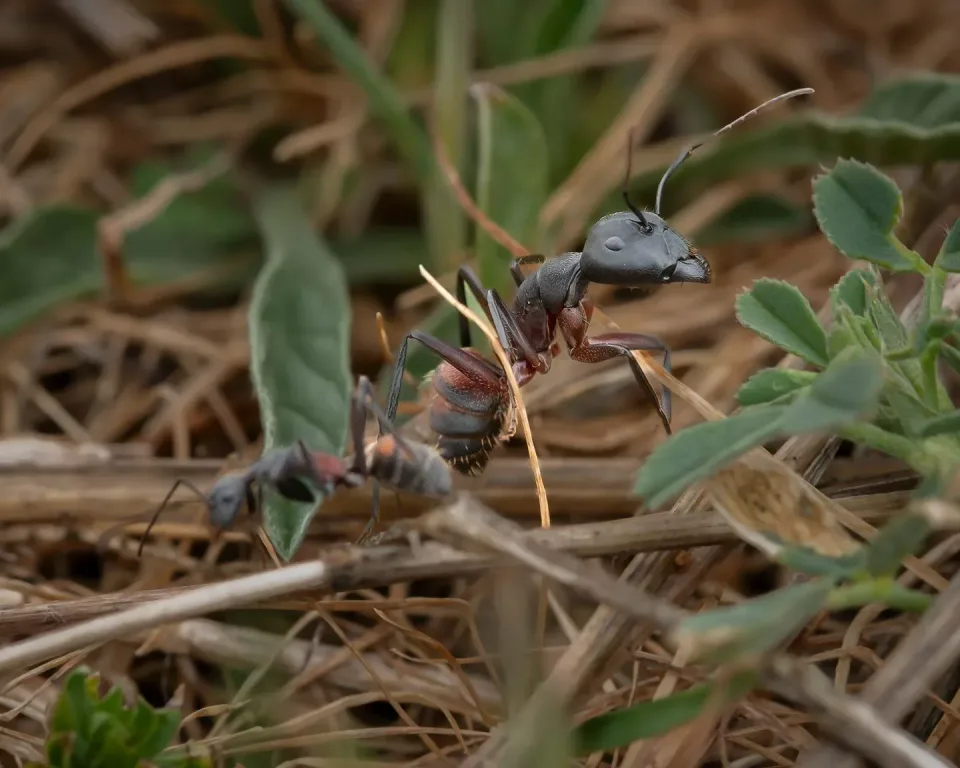
Chicago runs on four distinct seasons, and pest pressure here changes with every one of them. Humid summers push mosquitoes, ants, and termites into yards from Lincoln Park to Brighton Park, while cold winters send mice and rats hunting for warmth inside the masonry two-flats and greystones that line our side streets.
When fall temperatures drop, stink bugs start looking for gaps around siding and window frames to ride out the winter indoors. We handle that full seasonal swing for homeowners and property managers across the city ant control behind kitchen sinks, cockroach extermination in apartment kitchens, mosquito control before backyard graduation parties, and rodent exclusion before the first lake-effect snow. Whether your building sits near Wrigley Field or blocks from Navy Pier, our team inspects first, explains what we find in plain language, and treats only what needs treating. One call covers it. Reach Illinois Pest Pros at (855) 681-0299 and we will schedule an inspection around your week.
From the shadow of Willis Tower to weekend crowds outside Wrigley Field, Chicago housing runs old, dense, and brick and that mix shapes every pest problem we see. Cold winters drive rodents indoors for warmth, so mice squeeze through gaps in century-old foundation walls and settle behind kitchen appliances.
Spring rainfall can flood basements and crawl spaces across neighborhoods like South Lawndale and Gage Park, leaving the damp conditions insects love. Heavy rain can even displace ant colonies straight into homes.
Expect a clear control plan, honest timelines, and follow-up checks after every treatment. Call (855) 681-0299 to book your inspection.
Three situations bring most Chicago calls to us. First, freeze-thaw cycles open foundation cracks in older masonry homes, and mice find a 1/4-inch gap is all they need we run rodent exclusion with sealed entry points and tamper-resistant bait stations. Second, hot weather increases indoor cockroach activity, and in multi-unit buildings near the Loop or along Milwaukee Avenue, roaches move between units through shared walls; our cockroach extermination uses crack-and-crevice treatment so bait reaches harborages, not just open floors.
Third, humid summers encourage mosquitoes, ants, and termite activity persistent humidity also raises moisture problems in basements, which termites follow. We treat ant trails at the colony level and monitor termite activity with bait stations.
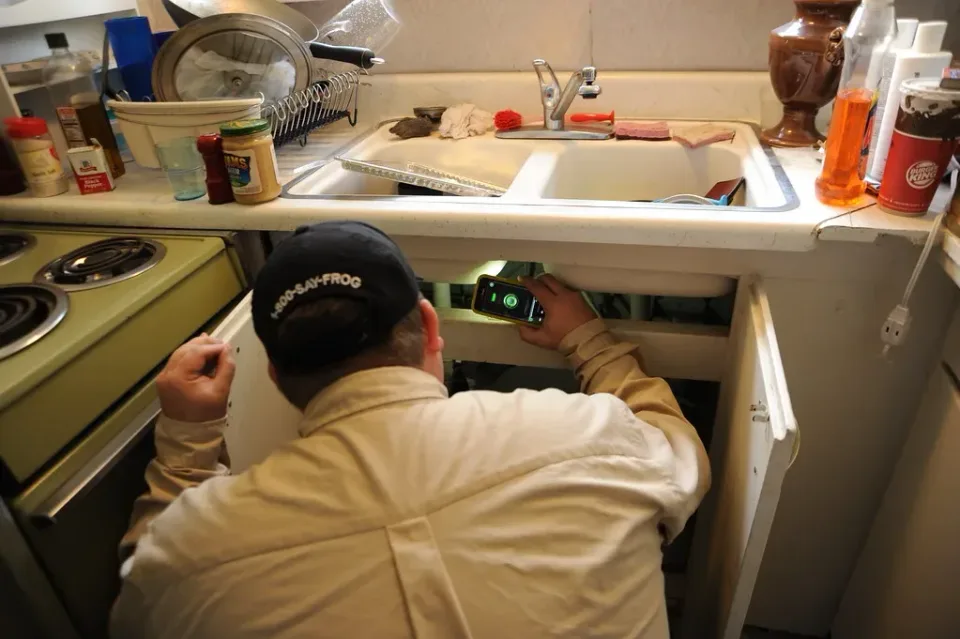
Quick self-checks: run a hand along basement sill plates for droppings, check under-sink cabinet corners at night with a flashlight, and look for standing water in gutters after summer storms.
We cover Chicago, IL citywide, including 60018, 60649, 60641, 60640, 60643, 60642, 60645, 60644, 60647, 60646, 60616, 60617, 60614, 60615, 60612, 60613, 60610, 60611, 60618, 60619, 60631, 60827, 60661, 60660, 60638, 60639, 60634, 60636, 60637, 60630, 60632, 60633, 60605, 60604, 60607, 60606, 60601, 60603, 60602, 60609, 60608, 60106, 60659, 60652, 60653, 60656, 60657, 60654, 60655, 60651, 60623, 60622, 60621, 60620, 60626, 60625, 60624, 60629, 60628, 60707, 60499, 60664, 60666, 60668, 60669, 60670, 60673, 60674, 60675, 60677, 60678, 60680, 60681, 60684, 60685, 60686, 60687, 60688, 60689, 60690, 60694, 60695, 60696, and 60699.
Severe windstorms off Lake Michigan can damage building envelopes loosened flashing, torn screens, and shifted parapets on flat-roof buildings near Millennium Park and the lakefront create new pest entry points almost overnight. Snow cover hides the problem further: a fresh blanket conceals rodent access points along grade lines, so homeowners often do not spot the gap until scratching starts in the ceiling.
Our approach starts with the outside. We walk the perimeter, check weep holes and rooflines, and use a moisture meter where wind-driven rain may have soaked framing, because moisture control is the root of most insect problems damp wood invites termites and carpenter ants, dry wood rarely does. Every product we apply carries an EPA-registered pesticide label, and we follow its application and re-entry directions exactly.
One check you can make: after the snow melts, walk your foundation line where drifts piled highest and look for fresh gaps or gnaw marks.
Residential pest control here is not one-size-fits-all, because housing stock changes every few miles.
In West Town, converted lofts and brick two-flats deal with roaches moving through shared party walls. Near North Side high-rises need discreet bed bug and cockroach service scheduled around building management.
South Lawndale’s older housing stock often hides rodent entry points along stone foundations. Lincoln Park’s greystones and courtyard buildings see ants and mosquitoes in shaded, landscaped yards.
Brighton Park bungalows commonly call us for mice after the first hard freeze, and Gage Park’s dense residential blocks keep us busy with German cockroach jobs in multi-unit kitchens.
Same-week appointments are typical across all six areas. Call (855) 681-0299 and tell us your cross streets we will route the nearest technician.
Why us
Chicago homes and buildings face pest pressure shaped by lake-effect weather, older construction, and dense neighborhoods, and we plan every visit around those conditions.
Our founder started in pest control working homes and businesses around Oak Brook, learning how basements, older wood framing, and Midwest seasons shape pest problems. That experience guides every Chicago inspection and treatment plan we build.
We confirm the pest species before selecting any treatment. Guessing wastes your time and money, so our technicians inspect, identify what they find, and explain the findings to you before a drop of product is used.
Our technicians explain findings, prepare you for treatment, and outline any follow-up steps before leaving the job site. You always know what was treated, where, and what to expect next.
Our process
Every job follows the same careful sequence, from your first call to documented follow-up.
You call and describe what you are seeing. We ask about the property, the pest signs, and any recent pesticide applications, then disclose what our process involves and schedule an inspection that fits your calendar.
A technician inspects basements, crawlspaces, wall edges, and the areas you reported. We confirm the pest species before recommending anything, so the treatment matches the actual problem instead of a guess.
We explain the findings, agree on the scope of work, and prepare you for treatment day. That includes clearing access to basements, crawlspaces, and wall edges and keeping children and pets away from active treatment areas.
After treatment, we document findings, treatment locations, and follow-up needs before leaving the site. You get a clear record of what was done and what to watch for going forward.
Warning signs
Mud tubes along basement foundation walls are a classic termite sign. Subterranean termites build these pencil-width tunnels to travel between soil and wood. If you spot one, leave it intact for an inspection rather than scraping it away.
Hollow-sounding wood near window frames can mean termites or carpenter ants have been tunneling inside. Tap the trim around your windows; a papery or empty sound where wood should feel solid deserves a professional look.
Cockroaches appearing after lights turn on is a strong sign of an established population. They avoid light, so seeing them scatter means activity behind appliances and wall voids that needs targeted treatment.
Through the year
Spring
Freeze-thaw swings push ants, wasps, and overwintering insects out of walls and foundations as temperatures warm.
Summer
Warm months bring mosquitoes and wasps into yards, decks, and tree branches. Treatments and nest removal during summer keep outdoor spaces usable and stop colonies from growing larger.
Fall
Fall service seals the deal before rodents settle into attics and basements.
Winter
Lake-effect snow and repeated freeze-thaw cycles drive rodents and insects deeper into basements, crawlspaces, and wall voids. Winter is a good time to inspect those hidden areas while activity is concentrated indoors.
Common situations
Scratching sounds inside the attic ceiling, with no idea whether it is squirrels, rats, or something else moving overhead at night.
A technician confirms the species during inspection, treats the rodent activity, documents treatment locations, and leaves the homeowner with follow-up steps to keep the attic quiet.
Before you hire
Illinois requires commercial pesticide applicator licensing through the Department of Agriculture.
The right schedule depends on the pest, the building, and the season. A provider who matches the plan to your property is more useful than one selling a fixed package.
Label directions and stated re-entry intervals exist for a reason. A good provider explains when children and pets can return and documents every application.
Call to talk through your job in Chicago.
11+
Years serving Chicago
18
Areas served
Straight answers for customers in Chicago on pricing, delivery, and scheduling.
Termite treatment in Chicago typically runs $500–$2,500 depending on infestation extent and treatment method, while a termite inspection costs $75–$200 based on property size and inspection scope. Final quotes vary by service scope, infestation, property access, and site conditions, so we inspect before quoting.
A mouse needs only about a 1/4-inch gap, and a rat needs about a 1/2 inch. On older Chicago masonry buildings, freeze-thaw cracks and gaps around utility penetrations are the usual entry points our rodent exclusion service seals those with proper materials and sets monitored bait stations outside.
Yes. Adults are roughly 5–7 millimeters, and eggs can hatch within about 6–10 days, so we schedule follow-up visits to catch newly hatched nymphs. Empty cabinets and clear access before we arrive.
Humid summers drive mosquito, ant, and termite activity, and hot weather increases indoor cockroach activity roaches that hid all winter start appearing after lights turn on in kitchens across Brighton Park and Gage Park. We treat harborages directly with crack-and-crevice applications and set exterior monitoring stations.
Yes. All applications follow the EPA-registered product label for that site and pest.
Pest Control covers every ZIP code in Chicago, IL.
Illinois Pest Pros
"Practical Pest Control Across Illinois"
I started in pest control working in homes and businesses around Oak Brook, where I learned how basements, older wood framing, and changing Midwest seasons shape pest problems. I built this company to bring careful inspections and clear treatment plans to customers throughout Illinois, from termite and rodent issues to seasonal mosquitoes and wasps.
Share job details below or call our team directly. Phone: (855) 681-0299
Pest Control is also available in these nearby communities.